
Fairway, Kansas, homeowners often face unique structural challenges stemming from the region’s expansive clay soils and fluctuating moisture levels. Understanding these common issues and the available solutions is key to maintaining your home’s long-term stability and value.
1. Primary Causes of Foundation Issues in Fairway
The dominant factor causing foundation and concrete problems in Fairway and the wider Kansas City area is expansive clay soil.
| Cause | Effect on Foundation/Slab | Signs in Your Home |
| Expansive Clay | Swelling and Shrinking: Clay soil swells when wet and shrinks when dry. This repeated movement puts immense pressure on foundation walls (pushing them inward) and causes the soil beneath slabs to contract, leading to voids and settlement. | Sticking doors/windows, drywall cracks, sloping floors, stair-step cracks in brick/masonry, bowing basement walls. |
| Poor Drainage | Hydrostatic Pressure: Water pooling around the foundation saturates the soil, increasing pressure and the potential for leaks and mold. | Water seepage in the basement/crawl space, musty odors, efflorescence (white, powdery mineral deposits) on walls. |
| Foundation Age | Material Deterioration: Many older Fairway homes have stone or concrete block foundations, which are more susceptible to movement, leaks, and cracking compared to modern poured concrete. | Increased frequency of cracks, leaks, and bowing walls. |
| Tree Roots | Moisture Diversion: Large trees planted too close to the home draw significant moisture from the soil, causing the clay beneath the foundation to shrink and settle unevenly. | Differential settlement (one part of the home sinking more than another). |
2. Foundation Repair Solutions
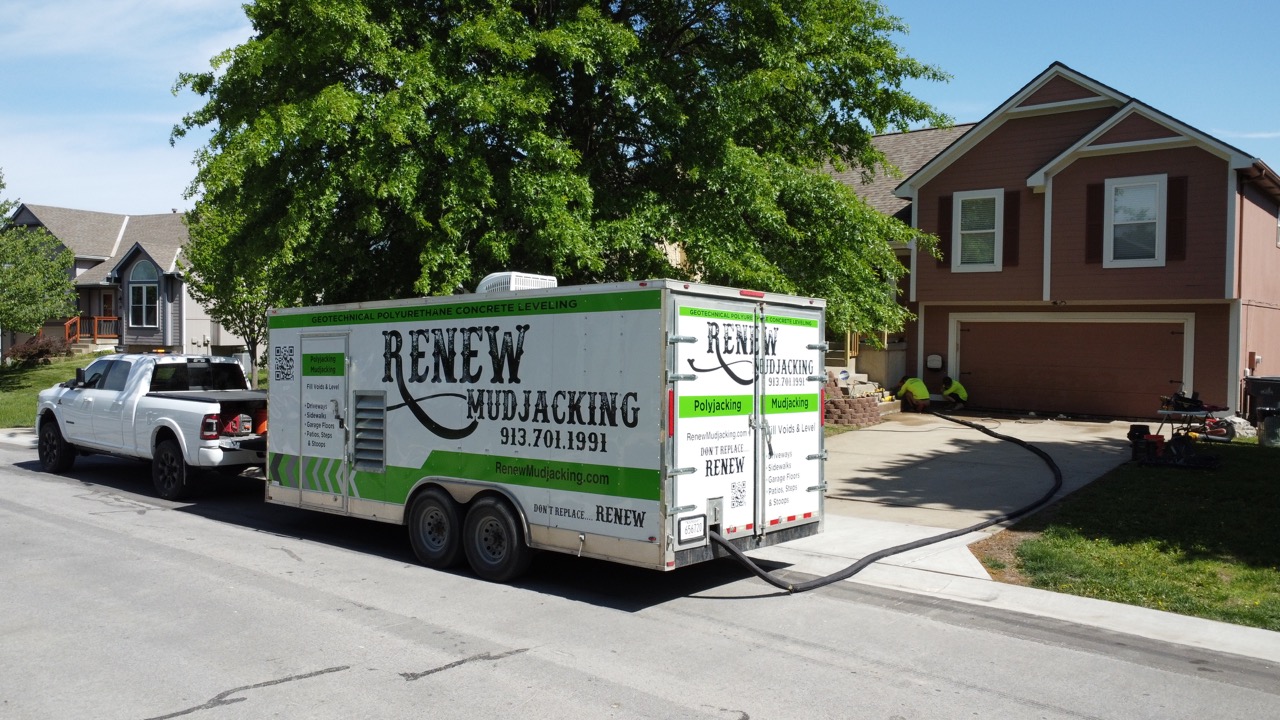
For structural foundation issues like bowing walls or significant vertical settlement, you will need professional foundation repair solutions:
- Foundation Piers (Steel or Helical) : Used to address significant vertical settlement. These piers are driven deep into the earth, past the unstable clay soil, until they reach bedrock or a stable load-bearing stratum. They effectively lift and stabilize the foundation.
- Wall Anchors / Bracing : Used to correct bowing, bulging, or cracking basement walls caused by external pressure from expanding soil. Steel wall anchors connect the wall to stable soil far outside the foundation, allowing the wall to be gradually straightened or permanently stabilized.
- Drainage Solutions (Exterior French Drains, Grading) : Essential for preventing future damage. These systems divert water away from the foundation perimeter to reduce soil expansion and hydrostatic pressure.
Concrete Leveling vs. Replacement
If you have settled or uneven concrete surfaces like driveways, sidewalks, garage floors, or patios, you have two main options: lifting the existing slab or tearing it out and replacing it. Concrete leveling (specifically polyjacking) is generally the preferred method in Fairway.
Option A: Polyjacking (Concrete Leveling)
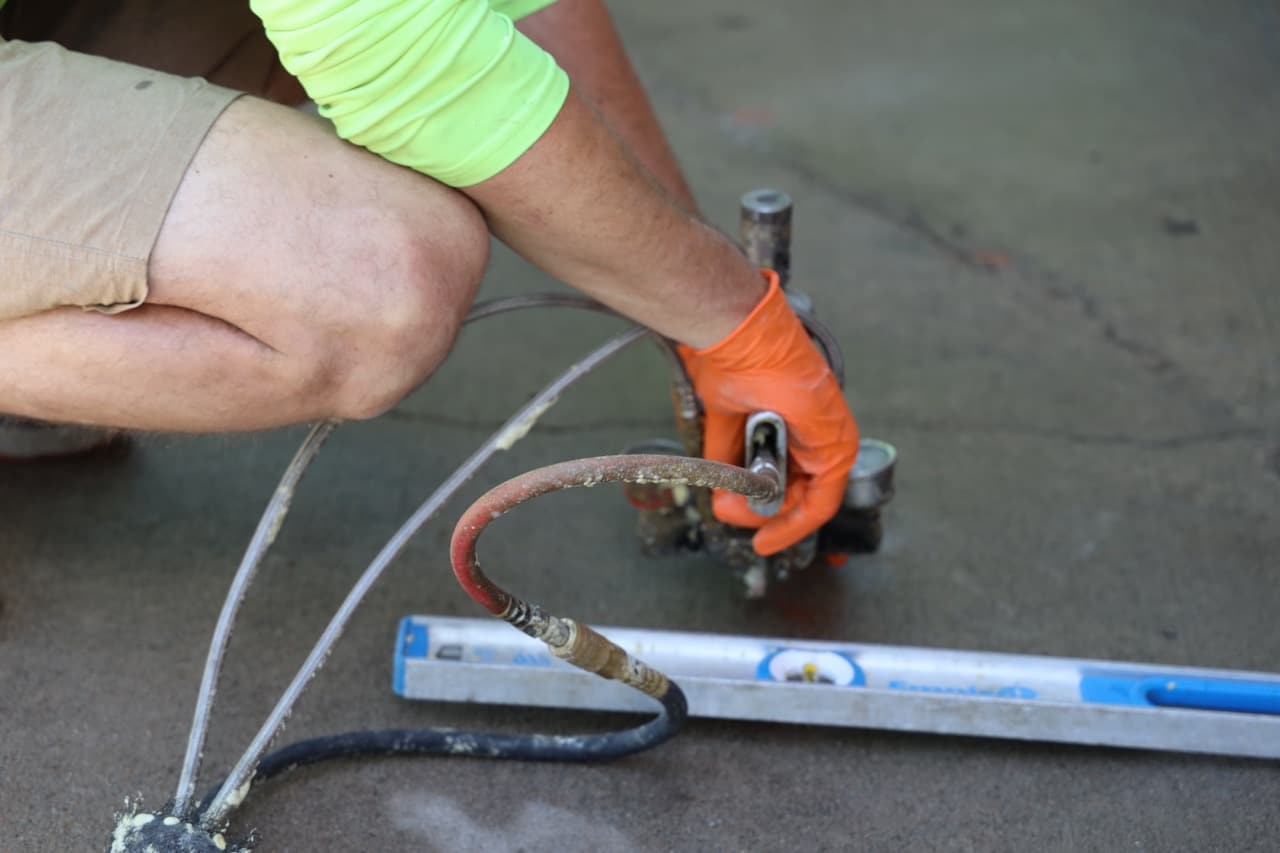
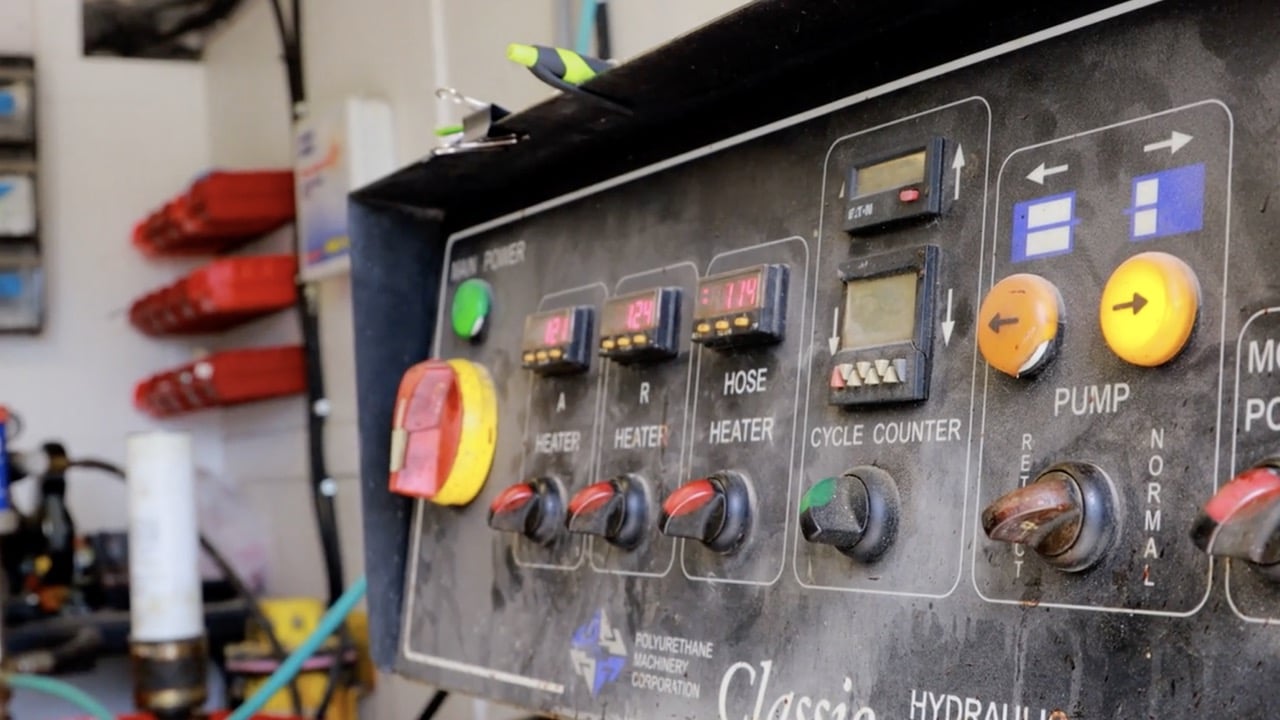
This is the process of injecting a high-density, expanding polyurethane foam beneath the sunken concrete slab.
| Feature | Details |
| Method | Small, 5/8-inch holes are drilled into the concrete. Polyurethane foam is injected, which expands, fills voids, and raises the slab back to level. |
| Cure Time | Extremely fast. The area can typically be used within 30 minutes after the job is complete. |
| Cost | Typically significantly less expensive than replacement (often 6 to 8 times cheaper than a full replacement). |
| Durability | The foam is lightweight, waterproof, and won't erode, offering a permanent solution. |
| Invasiveness | Low invasiveness; much less mess and disruption than tearing out concrete. |
| Best For | Leveling well-preserved concrete slabs, void filling, and stabilizing areas like sidewalks and driveways. |
Option B: Concrete Replacement
This involves breaking up the old concrete, removing it, and pouring a new slab.
| Feature | Details |
| Method | Removal, subgrade preparation, forming, pouring, cutting, and curing. |
| Cure Time | Long. Requires at least 24 hours of curing before light use and several days before vehicle traffic. |
| Cost | High. A full driveway replacement could cost $18,000+, compared to potentially $900 to $7,500 for a full polyjacking job, depending on the extent. |
| Durability | Dependent on new subgrade preparation and proper curing. |
| Invasiveness | High invasiveness, requiring heavy equipment and creating a significant mess. |
| Best For | Heavily spalled, severely cracked, or deteriorating concrete that cannot be salvaged. |
Polyjacking Cost Estimates (Kansas City Metro Area)
While costs vary based on the extent of damage and accessibility, here are typical price ranges for leveling in the KC area:
| Project Scope | Estimated Polyjacking Cost Range |
| Basic/Small Job (1-2 small panels) | $900 - $1,600 |
| Average Job (Multiple sidewalk sections or small patio) | $2,500 - $2,700 |
| Extensive Job(Full driveway or large slab) | $7,000 - $7,500+ |
| Full Concrete Replacement (For comparison) | $4,500 - $18,000+ |